





Somewhere above 12,000 feet, where the air is too thin for most living things and the nights drop below freezing even in July, a flower is quietly getting ready to do something almost nobody will see. It will open after dark. It will fully bloom in about two hours. And by sunrise, it will already be closing – not to open again for another full year.
If that sounds more like a rumor than a real plant, welcome to the story of the Brahma Kamal flower – one of the most mythologized, misunderstood, and genuinely rare blooms on Earth.
Quick Answer
| What is it? | Brahma Kamal is the common name for Saussurea obvallata, a high-altitude flowering plant native to the Himalayas, blooming between 3,700–4,600 metres (roughly 12,000–15,000 feet) across India, Nepal, Bhutan, Pakistan, and southwest China, according to Wikipedia’s entry on Saussurea obvallata. |
| How rare is it? | It flowers once a year, for a single night. Is it a lotus? No – despite the name, it belongs to the sunflower family, Asteraceae. |
| Where is it sacred? | Central to worship in Hinduism and Buddhism; it’s the official state flower of Uttarakhand. |
What Is Brahma Kamal, Really?
The plant belongs to Asteraceae – the same botanical family as sunflowers and daisies – despite “Kamal” translating to “lotus” in Hindi. It’s a wild alpine species, not a garden cultivar, and it survives in one of the harshest environments any flowering plant attempts to live in.
At 12,000 to 15,000 feet, oxygen is scarce, temperatures swing violently, and the growing season lasts only a few short months. Very few flowering species even attempt to establish themselves at that altitude. This one not only survives there – it has evolved an entire reproductive strategy around it.
The Science Behind a Bloom That Lasts Just One Night
Here’s what sets it apart from almost every other flower you know: a single annual bloom, typically between July and August, lasting one night only. According to Ugaoo’s guide to the Brahma Kamal plant, the flower opens after dark and closes again by morning – meaning even people living near its habitat may go years without witnessing a complete bloom.
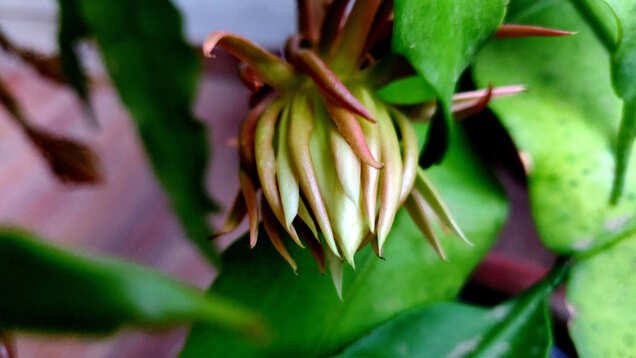
Kyari.co adds a detail that makes it even more remarkable: full bloom – an 8-inch flower – takes shape in roughly two hours before beginning to close again with daylight. Scientists believe this nocturnal pattern evolved to attract night-active pollinators like moths, which navigate by scent and moonlight rather than sight. It’s a survival strategy shaped entirely by an unforgiving environment.
A Flower Wrapped in Mythology
Long before botanists assigned it a Latin name, Himalayan communities had already made Brahma Kamal sacred. According to Hindu tradition, as detailed by Ugaoo, it’s tied to Lord Brahma, the creator god, with some accounts holding that it emerged from his head at the moment of creation, and others describing him meditating upon it.
NoBroker notes it’s also linked to Lord Shiva, while separate cultural sources connect it to Goddess Nanda Devi, the Himalayan mountain goddess. In Buddhist tradition, spotting a bloom in progress is considered a sign pointing toward enlightenment, per coverage from gardening blog Pot and Bloom.
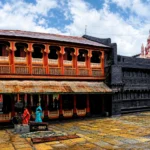
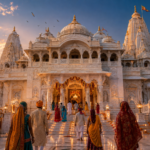
This reverence shows up in real religious practice, too – it’s traditionally offered at major shrines including Kedarnath, Badrinath, and Tungnath, and holds official status as the state flower of Uttarakhand, as noted in IGP’s coverage of the flower’s symbolism.

Where It Actually Grows?
Seeing one in the wild means serious high-altitude terrain. Its core habitat overlaps with some of India’s most ecologically significant protected land, including areas connected to the Nanda Devi Biosphere Reserve and the Valley of Flowers – both referenced in UPSC-level conservation notes from LegacyIAS, which lists the species among the native flora of this UNESCO-linked ecosystem.
Sightings are rare enough that even experienced trekkers treat a confirmed bloom as a genuine highlight of a Himalayan expedition – something you can’t plan around, only hope to witness.
Traditional Medicinal Uses
Beyond mythology, Himalayan communities have long used this plant in folk medicine. NoBroker reports that villagers in the upper Himalayan region traditionally use it as a liver tonic, an appetite stimulant, and a remedy for urinary tract issues. Pot and Bloom separately notes its use in remedies aimed at digestive, skin, and respiratory concerns.
Worth flagging: these are traditional, community-based uses passed down through generations, not claims backed by controlled clinical research – best understood as folk medicine rather than a substitute for modern healthcare.
The Great Mix-Up: Two Flowers, One Name
Here’s something most online listings won’t tell you. If you’ve searched for a Brahma Kamal plant hoping to buy one for your home, you’ve almost certainly found Epiphyllum oxypetalum instead – a completely different, unrelated species. It’s an epiphytic cactus native to Central and South America, commonly called Queen of the Night, prized for its fragrant, large, night-blooming white flowers.
Because it shares the “blooms once, at night, smells incredible” profile, Indian nurseries adopted the same name for it – even though botanically, the two aren’t related at all. The true Himalayan species is a wild alpine plant that’s extremely difficult to cultivate outside its native habitat, which is exactly why almost nobody is selling the real one.
Why It Still Matters?
Climate change, habitat disturbance, and rising trekking traffic all pose quiet threats to a plant that was never abundant to begin with. Its presence is often treated as a marker of a healthy alpine ecosystem, which makes protecting areas like Nanda Devi and the Valley of Flowers about far more than just one flower.
In a world where almost everything is available on demand, Brahma Kamal remains stubbornly, beautifully on its own schedule – blooming once, briefly, for those patient or lucky enough to be watching. Centuries later, that’s still exactly why people consider it worth waiting for.
Frequently Asked Questions
Q1. Is it a real lotus?
No. Despite the name, it belongs to the Asteraceae (sunflower) family, not the lotus family.
Q2. How rare is the bloom?
Extremely rare – it flowers only once a year, for a single night, in remote high-altitude Himalayan terrain, making confirmed sightings uncommon even for locals.
Q3. Can you grow a Brahma Kamal flower at home?
The true Himalayan species is very difficult to cultivate outside its native alpine habitat. Most plants sold under this name online are actually Epiphyllum oxypetalum, a different night-blooming cactus.
Q4. Why is it considered sacred?
It’s linked to Lord Brahma, Lord Shiva, and Goddess Nanda Devi in Hindu tradition, and to enlightenment in Buddhist belief, making it central to worship at shrines like Kedarnath and Badrinath.