








Before it was a betting empire, it was a bet on cotton prices. Here’s how Satta Matka really began.
Say “Satta Matka” to anyone today, and they’ll picture the same thing – an illegal numbers game, shady apps, maybe that Prime Video show everyone’s been talking about. Underground. Risky. Old-school crime stuff.
But here’s the part almost nobody tells you: it didn’t start as gambling at all. It started with cotton.
Yeah, cotton. Not numbers. Not a pot. Cotton prices, of all things.
So How Does Cotton Turn Into Gambling?
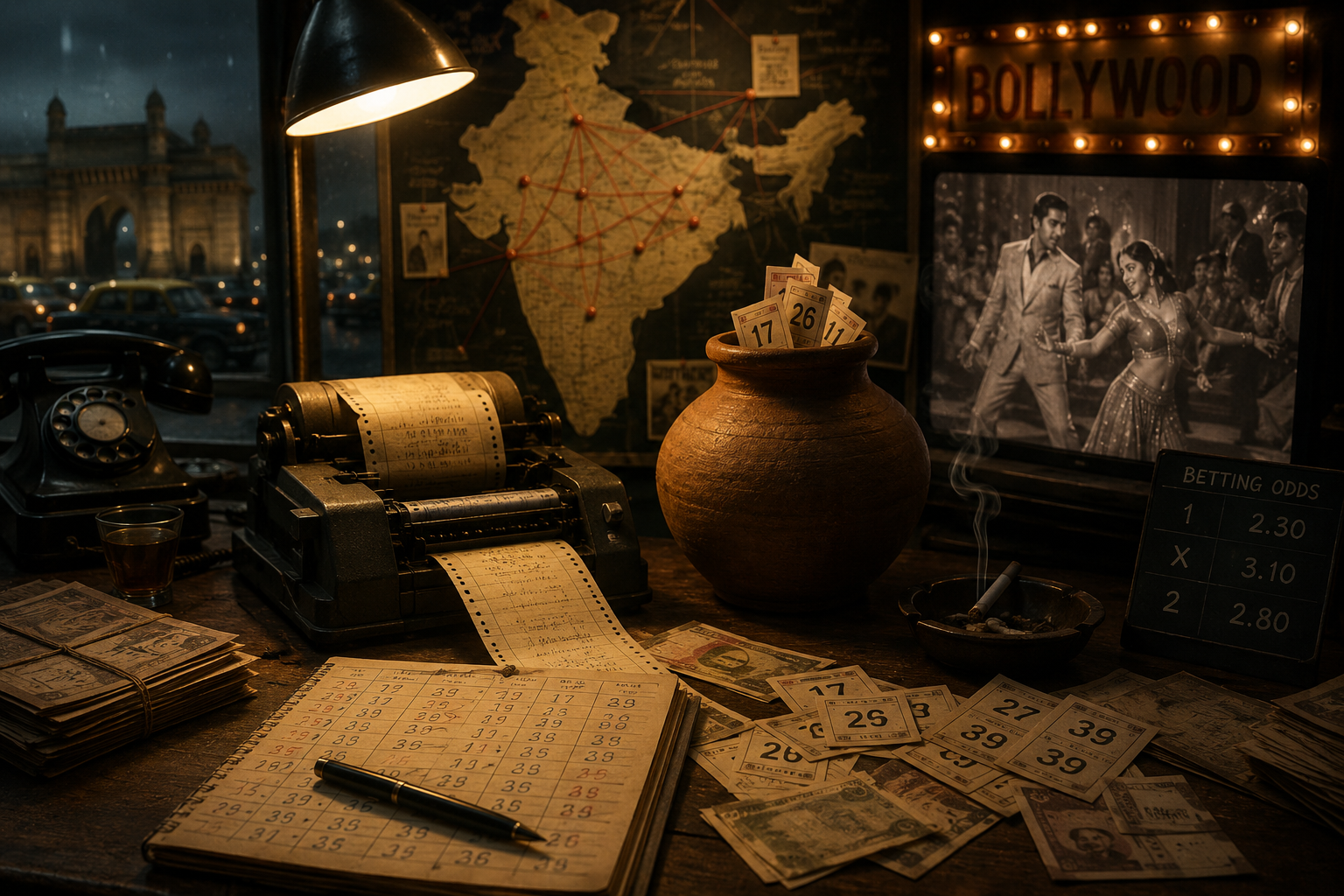
Rewind to Bombay after Independence. The city was buzzing – mills running full steam, traders everywhere, and money moving fast. Bombay’s cotton exchange was plugged straight into the New York Cotton Exchange. Every single day, cotton’s opening and closing rates got typed out and sent over via teleprinter, all the way from New York to Bombay.
Now, picture the mill workers and small-time traders standing around near the exchange, watching these numbers roll in. Somebody, somewhere, had a simple idea: why just watch the numbers when you could bet on them?
That’s it. That’s literally how it started. People calling this “Ankada Jugar” – figures gambling – years before anyone had heard the word “matka.” No pot. No fixed rules. Just regular people guessing where cotton prices would land, for fun and for a little extra cash.
Then, One Day, New York Just… Stopped
For over a decade, this went on like clockwork. Then in 1961, New York pulled the plug – it stopped sending cotton rates to Bombay altogether.
Logically? That should’ve killed the whole thing overnight. No data, no numbers, no game.
Except it didn’t.
Because here’s the thing about a habit that’s already stuck – once people build their day around something, they don’t just let it go. They find a workaround. And Bombay, being Bombay, found one fast.
Enter the Matka (Yes, the Actual Pot)
This is where two names show up again and again: Kalyanji Bhagat and Ratan Khatri.
Bhagat was a small grocery shop owner in Worli who already knew this cotton-betting crowd well. In 1962, he came up with his own version – the Worli Matka. It ran every single day, and even someone with just a rupee or two could join in. No big money needed.
Two years later, Ratan Khatri – the guy who’d eventually be called the “Matka King” – put his own spin on it with the New Worli Matka. His version ran five or six days a week and offered slightly better odds. But his real innovation? He ditched cotton rates completely and replaced them with numbered slips pulled out of a large earthen pot – a matka. Twice a day, an “open” draw and a “close” draw would decide the winning number.
Simple fix on paper. Massive shift in reality. The game no longer needed New York, cotton, or any real-world data at all. It had become pure chance, run entirely on local terms.
Why Bombay, and Why Then?
Timing worked in its favor too. This was peak textile-mill era in Bombay – thousands of workers packed into areas like Parel and Kalbadevi. Matka spread through these mill crowds like wildfire. It was cheap, easy to understand, and bookies were practically setting up shop right outside the mill gates.
By the ’80s and ’90s, this had stopped being a small local thing entirely. We’re talking monthly betting volumes running into hundreds of crores. What began as a side conversation near a cotton exchange had turned into a full-blown underground industry, complete with its own slang, its own legends, and its own kings.

The Wildest Part? It Was Never Meant to Happen
Think about that for a second. Satta Matka wasn’t designed by anyone. Nobody sat down and planned an illegal gambling empire. It was basically a workaround for a data problem – New York stopped sending numbers, so Bombay made its own.
Even the name comes from that improvisation. “Matka” just means clay pot in Hindi. Someone needed a random way to pick numbers, grabbed the nearest pot, and accidentally created a term that’s stuck around for over 60 years.
It’s part of why this story’s making the rounds again now, thanks to Matka King on Prime Video bringing Ratan Khatri’s story to a whole new audience who never lived through mill-era Bombay. For some, it’s a throwback. For others, it’s the first time they’re realizing that this whole underground world started with something as boring as cotton prices.
None of this is about glorifying what Satta Matka turned into. It’s just wild to think that a global commodity market, one canceled data feed, and a city that refused to let go of a habit – that’s genuinely all it took to create something that’s still around, decades later.
Follow NewsBlogs for more stories like this – the ones hiding quietly behind stuff you thought you already knew.
Disclaimer : NewsBlogs does not promote betting services, number predictions or participation links. This article is intended only to explain the distinction and help readers recognise the risks.