








You know the drill by now. A movie drops in theaters on Friday, and by Friday night, someone’s already uploaded a grainy cam-print to the internet. Give it a day, maybe two, and it’s sitting on Mp4moviez in every resolution you could want, ready for download by anyone who’d rather not pay for a ticket.
Feels harmless enough, right? It’s just one movie, one download, no different from borrowing a friend’s DVD back in the day. Except it isn’t. Someone always ends up paying for “free,” and in this particular economy, it’s almost never the person who clicked download.
Quick Intro: What Even Is Mp4moviez?
In case you’ve somehow avoided it, Mp4moviez is one of those piracy sites that’s become almost a household name for the wrong reasons. It offers unauthorized downloads of Bollywood, Hollywood, and South Indian films, along with dubbed versions and web series, in whatever quality you want, from a barely-watchable 360p up to a crisp 4K. It’s huge across India, Pakistan, and Bangladesh, places where, let’s be honest, a monthly OTT subscription still isn’t something every household can casually afford.
That’s the surface-level story, the one most people already know. What’s more interesting is what happens after someone hits upload.
The Part Nobody Really Thinks About
Here’s the thing people get wrong about piracy: it’s not some lone guy in a basement doing this out of rebellion. It’s closer to a supply chain, and honestly, a pretty efficient one.
It usually starts with a leak, a shaky camcorder recording smuggled out of a cinema hall, a digital rip pulled off a streaming platform, sometimes even a copy that leaks before the film has officially released anywhere. That file gets compressed down, tossed onto a server, and pushed out through a network of mirror sites that all feed off each other. Ads run alongside it, money changes hands somewhere in that chain, and none of it, not a rupee, makes its way back to the people who spent months or years actually making the film.
By the time you see it on Mp4moviez, the movie’s already been stripped of its value for anyone who wants to watch it that way. That’s the bit that gets lost every time someone shrugs and says “it’s just a movie.”
So Who’s Actually Footing the Bill?
This is where it stops being some abstract “piracy is bad” talking point and starts getting personal for a lot of people.
- Filmmakers and producers feel it first and hardest. A film’s opening weekend can decide whether the whole project ever turns a profit, and every pirated download is, arguably, a ticket that never got bought. Mid-budget films get hit worst here, no big franchise name, no A-list cast to fall back on, so a rough opening weekend can genuinely be the difference between getting greenlit for a sequel or getting quietly shelved.
- Actors, writers, and technicians aren’t always on flat paychecks either. A lot of them have profit-sharing deals or back-end arrangements tied directly to how well the film performs. So when piracy eats into box-office numbers, it’s not just the studio absorbing that loss quietly in a spreadsheet somewhere, it’s the crew who spent months on set, the writer who spent a year on the script.
- Distributors and theater owners get squeezed too, and it’s usually the smaller, single-screen cinemas that feel it most, the ones that survive on steady daily footfall rather than opening-weekend hype.
- And then there’s the ripple effect. Every bit of revenue lost to piracy is money that doesn’t get reinvested into the next project. Indie films, regional cinema, first-time directors trying to get a foot in the door, they’re usually the first to get squeezed out when studios start playing it safe with their money.
It’s Bigger Than It Feels Day-to-Day
It’s easy to brush piracy off as a small, background problem. It isn’t. India alone racked up over a billion visits to piracy sites in a single recent year, and Mp4moviez accounted for a sizeable chunk of that traffic. Sure, not every one of those visits is a “lost sale,” plenty of those people were never going to pay anyway. But at that scale, even a small percentage converting into real lost revenue adds up to serious money leaving an industry that genuinely needs it.
Why Do People Still Use It, Then?
None of this happens in a vacuum, and it’s worth asking why piracy sticks around despite everyone knowing it’s, well, wrong.
Simple answer: legal streaming still isn’t affordable or even accessible everywhere, and for a lot of people, a subscription is genuinely competing with rent, groceries, other things that matter more. Add to that the fact that these sites are built like weeds, block one domain and three more pop up within days, usually with an almost identical name. And there’s always that little voice telling people one download from one person can’t possibly make a dent.
Maybe it doesn’t, individually. But multiply that by a billion visits, and suddenly it’s not so small anymore.
Here’s the Twist: Piracy Doesn’t Spare Its Users Either
If you think the person downloading gets away clean, think again.
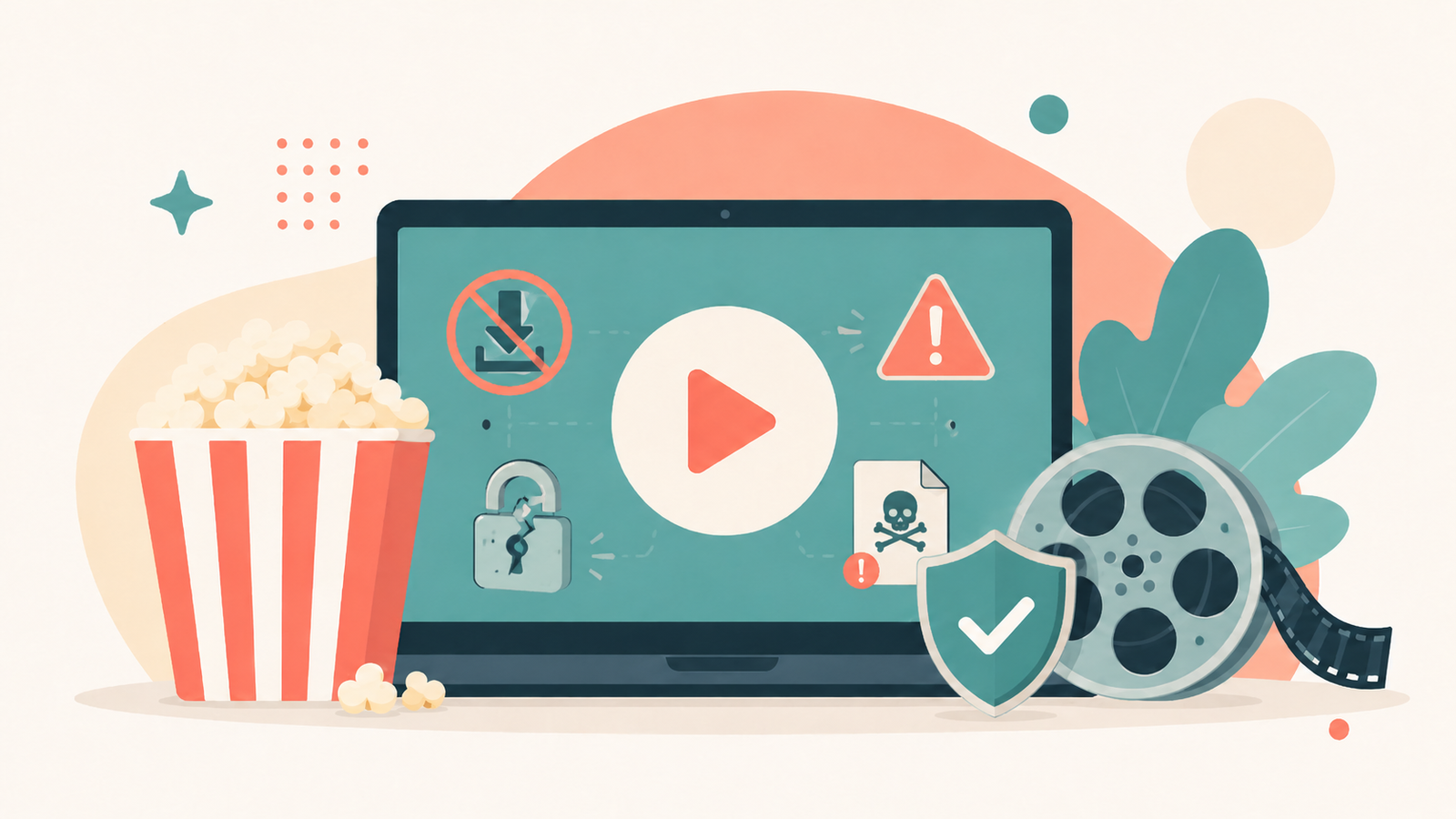
Sites like Mp4moviez get flagged constantly for malicious ads, hidden malware, and phishing attempts riding on the back of high-traffic download pages. Chase a free download long enough, and you might walk away with a lot more than you bargained for, a compromised device, stolen personal data, or in some countries, actual legal trouble for downloading pirated content in the first place. There’s really no clean winner here. Just costs, spread out unevenly, and mostly invisible until they aren’t.
So What’s Actually Being Done About It?
It’s not like governments and studios are just watching this happen. Domain blocking and takedown notices are pretty routine at this point, even though, let’s be real, most piracy sites just pop back up under a slightly different URL within days.
The more promising fix isn’t really enforcement, though. It’s pricing. Cheaper regional OTT plans, films releasing digitally the same day as theaters, bundled subscriptions that don’t feel like a luxury purchase, these are the things actually chipping away at why people turn to piracy in the first place.
Enforcement can slow piracy down a little. Making legal access genuinely convenient and affordable is what actually competes with it.
So, Who Really Pays?
Almost everyone connected to that film, just unevenly, and mostly out of sight. The viewer thinks they got something for free. The filmmaker quietly absorbs a loss they can’t fully explain to investors. The crew notices it in a paycheck that’s thinner than it should’ve been. And somewhere in between, an entire industry keeps recalculating how much risk it can afford to take on the next film it wants to make.
Piracy doesn’t actually make anything free. It just moves the cost, from the person who could’ve paid, onto the people who really couldn’t afford not to be paid.
Frequently Asked Questions (FAQs)
1. What is Mp4moviez?
Mp4moviez is a piracy website that offers unauthorized downloads of Bollywood, Hollywood, and South Indian movies, along with web series, in multiple resolutions.
2. Is downloading movies from Mp4moviez illegal?
Yes. Downloading or distributing copyrighted content from Mp4moviez violates copyright law in most countries, including India, and can result in fines or legal action.
3. How does piracy on sites like Mp4moviez affect filmmakers?
It directly reduces box-office revenue and profit-sharing income for producers, actors, writers, and crew, while also discouraging investment in future or smaller-budget films.
4. Is it safe to use Mp4moviez?
No. Sites like Mp4moviez are frequently linked to malware, phishing attempts, and intrusive ads, putting users’ devices and personal data at risk.
5. What are legal alternatives to Mp4moviez?
Licensed platforms like Netflix, Amazon Prime Video, Disney+ Hotstar, ZEE5, and SonyLIV offer safe, high-quality, and legal access to movies and shows.
Disclaimer
This article is for informational purposes only. It does not promote, endorse, or link to piracy websites, including Mp4moviez. Readers are encouraged to use only licensed, legal platforms to access movies and TV shows.